What an exterior system is
An exterior drain, often called a footing or perimeter drain, is a perforated pipe laid in gravel at the base of the foundation. It collects water before it reaches the wall, and a pump or a gravity outlet moves it away. Some houses already have one, and a clogged or collapsed pipe is a common reason a basement is wet.
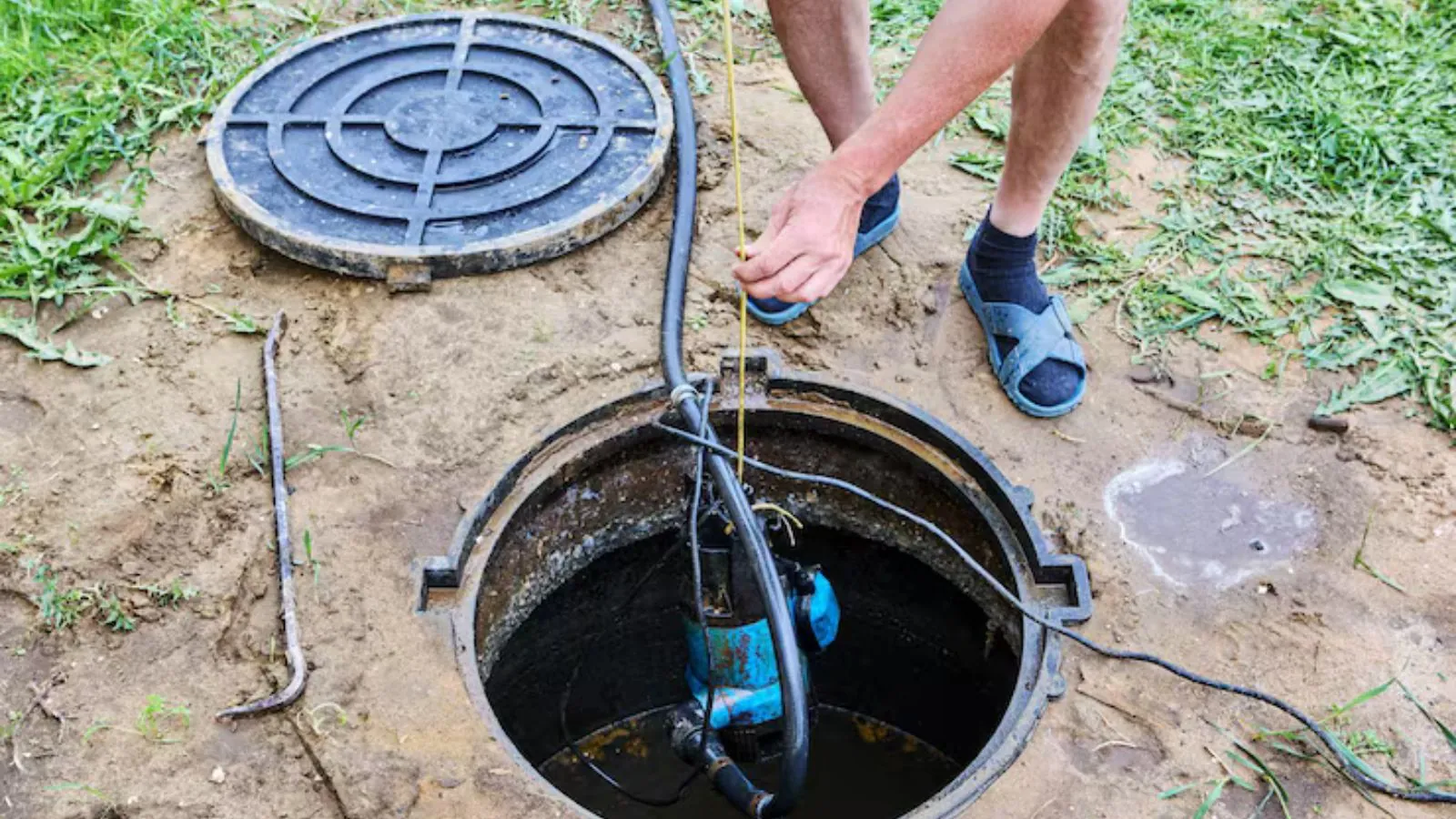
An exterior sump pit may sit outside the house, with a pump that discharges to a safe outlet. It is different from the common interior pit set into the basement floor.
Exterior or interior pit
| Interior pit | Exterior system | |
|---|---|---|
| Where it works | Inside the basement floor | Along the outside footing |
| Disruption | Breaks the slab, little yard impact | Excavates beside the house |
| Best for | Most wet basements | Walls with active seepage and failing exterior drains |
| Cost | Lower | Higher |
| Access | Easy to service | Harder to reach once buried |
Most homeowners start with an interior pit. An exterior system makes sense when the water is entering through the wall, or when the existing exterior drain has failed.
How the installation goes
- 1
Call 811 and mark utilities
Utility lines near the foundation must be marked before anyone digs.
- 2
Excavate to the footing
A trench is dug along the wall to the footing depth.
- 3
Clean and seal the wall
The wall is cleaned and often sealed or membrane-coated.
- 4
Lay drain pipe in gravel
Perforated pipe is placed with filter fabric and gravel, sloped to a low point.
- 5
Install the pit, pump and discharge
The pump and check valve go in, and the discharge pipe runs to a legal outlet.
- 6
Backfill and test
The trench is backfilled and the system is tested with water.
Digging near the Cohansey and in older lots
New Jersey's 811 system asks you to call before you dig, so that utilities can mark buried lines. That matters here, since an excavation along a foundation can cross gas, water and electric service lines. Your contractor should call, and you should confirm the markings are in place before work starts. Excavation near the foundation and the discharge route are governed by local rules and by the plumbing subcode (N.J.A.C.
5:23-3.15), which adopts the National Standard Plumbing Code.
Bridgeton lies along the Cohansey River in flat terrain, and some lots can be tight, with little room for an excavator beside the house. Neighbors' property lines matter when you run a discharge pipe. Ask the Bridgeton construction office about permits and any rules for discharging stormwater onto or toward neighboring property.
The same excavation rules apply in Upper Deerfield Township, where larger lots leave more room for a trench, and in Vineland, where discharge rules depend on the street.
Where the water should go
Discharge should go well away from the foundation, to a spot that slopes away from your house and your neighbor's. Do not connect it to the sanitary sewer. Many municipalities prohibit that, and it can overload the system during storms.
Before you choose a discharge route, check the local rules and any easements. Bridgeton homeowners should ask the construction office, and in older neighborhoods, ask about storm drain connections before assuming any exist.
What affects the cost
- Length of the trench. Longer runs cost more.
- Depth and soil. Deep footings and tough soil add labor.
- Surface restoration. Concrete, patios and landscaping are costly to replace.
- Pump and backup. Higher capacity and backup power add equipment.
- Permits. Fees and inspections where they apply.
We give you a clear price before work starts. Many insurance policies exclude groundwater damage, so check yours. Call (856) 250-1784 to discuss your property.
Pump features worth paying for
A cast iron body dissipates heat better than plastic, and a vertical float switch is less likely to jam in a narrow pit. A check valve prevents discharged water from running back into the pit. An audible or smartphone alarm tells you when the water level is rising, even when you are away.
A pit liner with a sealed lid reduces humidity and radon entry. Ask about these options when you plan the system, since they are cheaper to include at installation than to add later.
Seasonal checks that prevent failures
In fall, clear leaves from the discharge outlet and test the pump. In winter, make sure the discharge pipe does not freeze solid, since a frozen outlet makes the pump run and strain. In spring, test again before the wet season, and listen for unusual noises.
A pump that cycles every few minutes in dry weather is a warning sign. It may indicate a failing check valve, a stuck float or a high water table. Call before the next big storm.
Keeping the system working
Test the pump before the wet season by pouring water into the pit. Clean the pit if debris settles. Check the discharge pipe for freezing in winter and for blockage in spring. Replace a pump that is around ten years old, rather than waiting for a storm to test it.
Questions about this topic in Bridgeton
Most wet basements do well with an interior pit. An exterior system suits active wall seepage or a failed exterior drain.
Rules vary. Ask the Bridgeton construction office about excavation and plumbing connections.
Away from the foundation and off neighboring property, and not into the sanitary sewer. Check local rules.
It depends on the length of the trench and the access. We give you an estimate after the site visit.
If your basement floods during outages, yes. A battery or water-powered backup is the usual choice.
Restoration adds cost, so consider whether an interior system is enough.
Planning drainage?
Call for a site visit.